
EducationClub
Finding a part-time job is an excellent way to supplement income, gain valuable work experience, and build professional networks. International students on a UK student visa can work up to 20 hours per week during term time and full-time during holidays, making it feasible to balance academics with employment.
Before starting your job search, familiarize yourself with UK visa regulations. International students on Tier 4 or Student visas are permitted to work part-time but cannot engage in self-employment, run a business, or work as professional athletes or entertainers. During term time, you’re limited to 20 hours weekly, but during official university breaks, you can work up to 40 hours per week. Always verify your specific work entitlements by checking your Confirmation of Acceptance for Studies (CAS) and visa sticker, and inform your university’s international office of any employment to ensure compliance.
The UK offers a mix of specialized student sites and major job boards that are highly effective for finding flexible work.
JobToday: This app is incredibly popular for students seeking immediate work in hospitality and retail. It is known for its speed—employers often reply within 24 hours—making it perfect for securing quick shifts as a waiter, barista, or shop assistant.
Indeed.co.uk: As one of the UK’s largest job sites, Indeed allows you to filter specifically for “part-time,” “weekend,” or “evening” roles near your university. It aggregates thousands of listings, from warehouse operative roles to customer service.
LinkedIn: Beyond networking, LinkedIn is a powerful tool for finding employment. Use it to search for “Student” or “Part-time” jobs, and connect with alumni from your university who might be hiring. It is also the best place to find professional internships related to your field of study.
Student-Centric Sites: Don’t overlook platforms built strictly for students. StudentJob.co.uk and SaveTheStudent.org feature listings tailored to academic schedules, while E4S.co.uk specializes in seasonal and holiday work.
Certain industries offer more accessible entry points and flexible scheduling for international students. Retail positions at supermarkets, clothing stores, and bookshops typically pay £9-£12 per hour and offer weekend or evening shifts that accommodate class schedules. Hospitality roles including baristas, waitstaff, and kitchen assistants earn £10-£14 per hour, often with additional tips and meal benefits. Tutoring represents one of the highest-paying options at £25-£50 per hour, particularly for languages, mathematics, or sciences where you can leverage your academic strengths. On-campus jobs provide the convenience of working near your accommodation, while remote positions like freelance content writing, virtual assisting, or data entry offer maximum flexibility for busy schedules.
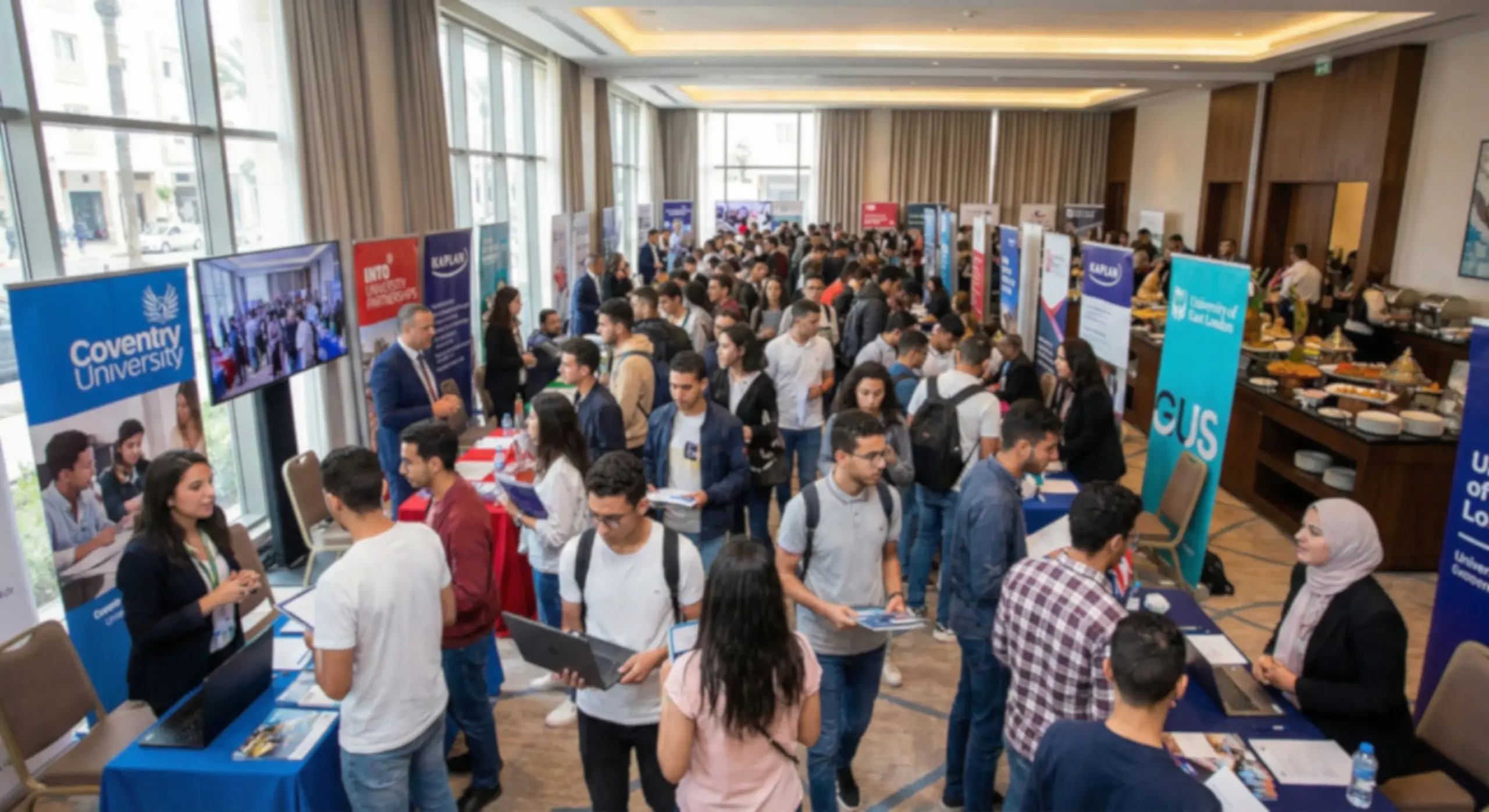
Craft a UK-style CV that emphasizes transferable skills such as communication, time management, teamwork, and customer service, even if your previous experience is limited. Include a tailored cover letter for each application that mentions your student status, availability, and enthusiasm for the role. Highlight any language skills, as bilingual capabilities are highly valued in customer-facing positions. Network actively through university job fairs, student union events, and international student societies where employers specifically seek student workers. Join social media groups and forums dedicated to international students in your city for informal job leads and recommendations.
Research common interview questions for student positions, such as “How will you balance work with your studies?” and “What availability can you offer?” Practice responses that demonstrate reliability and commitment. Bring essential documents to your first shift, including your passport, visa, National Insurance number (apply online if you don’t have one), and proof of address. Verify that potential employers understand sponsorship requirements and won’t inadvertently violate your visa conditions.
Strategic job selection can significantly impact your monthly income. Combining a weekend retail job with midweek tutoring sessions can generate £500-£1000 monthly without overwhelming your academic commitments. Choose employment near your student accommodation to minimize commute time and transportation costs. Use time-tracking apps to monitor your hours and ensure you remain within the 20-hour weekly limit during term time, as visa violations can have serious consequences including deportation. Refer to earnings calculators on platforms like SaveTheStudent.org to budget effectively and understand tax implications.
Finding part-time work as an international student in the UK requires preparation, but the rewards extend far beyond financial gains. You’ll develop professional skills, enhance your CV, and build connections that benefit your future career. At Education Club, we support Moroccan students throughout their entire UK education journey—from university applications to practical advice on student life, including advice in finding student jobs opportunities.
Contact Education Club today to learn more about studying in the UK and how to make the most of your international student experience. Reach out to our expert advisors who understand the unique needs of Moroccan students pursuing their dreams abroad.